Containers and Quantities in English for Kids
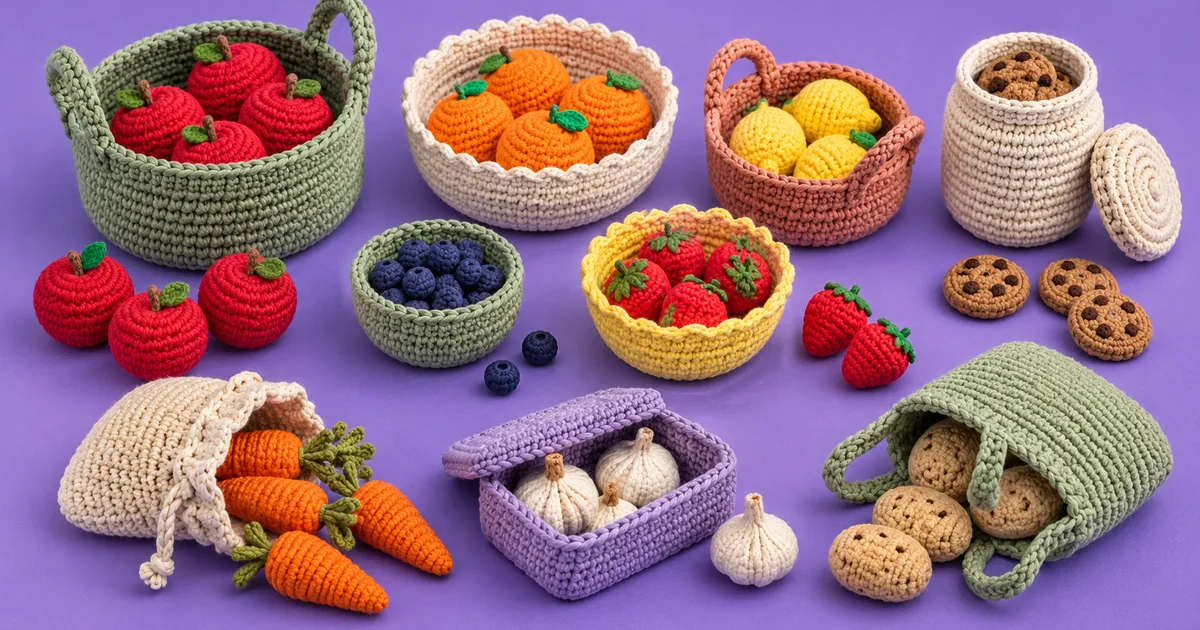
Containers tell us what holds something, while quantity words tell us how much or how many we have. This guide, Containers and Quantities in English for Kids: Words and Activities, teaches useful patterns such as “a bottle of water,” “two slices of bread,” and “a little rice.” Children can learn these phrases through real objects, shopping games, sorting tasks, and short conversations. The aim is not to memorise separate nouns. It is to connect each word with a visible amount, then use the full phrase in a sentence.
Core Container and Quantity Words
The key goal in Containers and Quantities in English for Kids: Words and Activities is to teach whole chunks. Instead of learning only “bottle,” your child learns “a bottle of water.” Instead of learning only “slice,” they learn “two slices of cheese.” These chunks are ready for real conversation.
The table separates containers, portions, measurements, and general quantity words. Begin with objects and foods your family already uses.
Regional choices may differ. “Can” is common in North American English, while “tin” is common in British English. Families may also hear “packet” or “package.” Teach the form your child meets most often, then point out the alternative without treating it as a mistake.
Building Useful Phrases and Sentences
Most phrases follow a clear pattern: number or article + container or portion + of + item. For example: “a bowl of soup,” “three bottles of water,” and “two pieces of cake.” The container changes to the plural after two or more, but the item often stays in its usual form: “two bags of rice,” not “two bags of rices.”
To put Containers and Quantities in English for Kids: Words and Activities into context, add one useful verb at a time. Try “We need a loaf of bread,” “Please pour a glass of water,” “There are two cans of beans,” or “Could I have a piece of cake?” The child practises vocabulary and sentence structure together.
Older children can compare exact and less exact amounts. “A litre of milk” gives a measurement. “Some milk” gives no exact amount. “A few grapes” suggests a small number, while “a little juice” describes a small amount. These contrasts prepare children to choose between countable and uncountable nouns without starting with a long rule.
Showing Meaning Through Everyday Objects
Place three familiar items on a table, such as a bottle, a bowl, and a box. Name each object first. Then add suitable contents and say the complete phrases: “a bottle of water,” “a bowl of cereal,” and “a box of tea.” Ask your child to touch, move, or hand you the correct item.
Next, change one part of the phrase. Put water in a glass and ask, “Is it a bottle of water or a glass of water?” Cut a piece of bread into slices and compare “a loaf of bread,” “a piece of bread,” and “a slice of bread.” The physical change makes the meaning of each quantity word clear.
Across LearnLink lessons, our tutors can bring the same language into short speaking exchanges. At home, keep the questions practical: “How many apples do we have?” “How much rice do we need?” and “Which container is empty?” Accept a short answer first, then model the full phrase for the child to repeat.
Activities for Different Ages
For age-based work with Containers and Quantities in English for Kids: Words and Activities, keep the vocabulary stable and change the challenge. Younger children need concrete objects and quick choices. Older children can plan, compare, explain, and write.
- School-age kids: Sort toy food or safe kitchen items into bags, bowls, boxes, and cups. Give directions such as “Put the apple in the bowl.”
- School-age kids: Play a shop game. One person asks for “a bottle of water” or “two pieces of fruit,” and the other finds the items.
- Ages 10–12: Plan a picnic or family meal. Write a list using containers and quantities, then check whether each noun needs “much” or “many.”
- School-age kids: Compare product descriptions, recipes, or shopping lists from different English-speaking regions. Note choices such as “can” and “tin.”
Keep each round short enough for the child to stay accurate. Reuse five or six phrases over several days before adding more. Change the task rather than replacing the vocabulary: point to the phrase, say it from memory, use it in a request, and finally write it in a sentence.
Practice Routines and Common Mistakes
A useful routine has three steps: notice, choose, and speak. First, show two options. Next, ask the child to choose the suitable word. Finally, ask for a complete sentence. With bread, you might show a loaf and a slice, ask “Which one is a slice?” and finish with “I have a slice of bread.”
Watch for missing “of” in phrases such as “a bottle water,” incorrect plurals such as “two glass of juice,” and confusion between “much” and “many.” Model “a bottle of water,” “two glasses of juice,” “much water,” and “many glasses.” Do not stop every conversation for a correction. Repeat the correct form, then invite the child to try it once.
Kitchen Detective
Choose five safe items. Your child names each container or quantity, then makes a phrase with “of.” Add one question for each item: “How much is there?” or “How many are there?” Award one point for the right word and one for a complete phrase.
A weekly review can use the same objects in a new order. For a quick check, say the item but omit the container: “I need a ___ of water.” For a harder check, let your child correct a playful error such as “a slice of milk.” This shows whether the phrase has meaning, not just whether it was repeated.
- Practice "Containers and Quantities in English for Kids: Words and Activities" daily for 5-10 minutes with your child.
- Use real-life examples to reinforce learning — count toys, snacks, steps.
- Review progress weekly together with your child.
- Build vocabulary through repeated exposure in different contexts.
When a word has several meanings or pronunciations, Cambridge Dictionary is a useful check before turning it into child-friendly examples.
Frequently Asked Questions
Which Container and Quantity Words Should My Child Learn First?
Start with five or six phrases that match daily life, such as “a glass of water,” “a bowl of cereal,” “a bag of rice,” “a piece of fruit,” and “a slice of bread.” Use Containers and Quantities in English for Kids: Words and Activities to expand the set only after your child can understand and say the first phrases in short requests.
How Can Our Tutors Teach Countable and Uncountable Nouns Without Difficult Grammar Terms?
Use questions and visible examples. Ask “How many apples?” while counting separate apples, then ask “How much juice?” while showing juice in one container. Contrast “three apples” with “some juice” and “many bottles” with “much water.” Once the pattern is familiar, an older child can learn the grammar labels.
Why Do We Say “Two Bottles of Water” Rather than “Two Waters”?
“Water” usually describes a substance that we do not count as separate units. We count its containers or measurements instead: two bottles, three glasses, or four litres of water. In cafés and restaurants, people may use “two waters” as a shortened way to order two servings, but children should learn the full pattern first.
How Often Should Children Practise These Phrases?
Short, repeated practice is more useful than one long vocabulary session. Try five minutes during a meal, while unpacking groceries, or during pretend play. Revisit the same phrases on different days and ask your child to recognise, say, and use them. Add new vocabulary when the earlier phrases come back with little prompting.
If your child needs steady speaking practice, start small — choose a trial lesson.
Stay updated on our latest tips and resources by following us on Instagram LearnLink.